
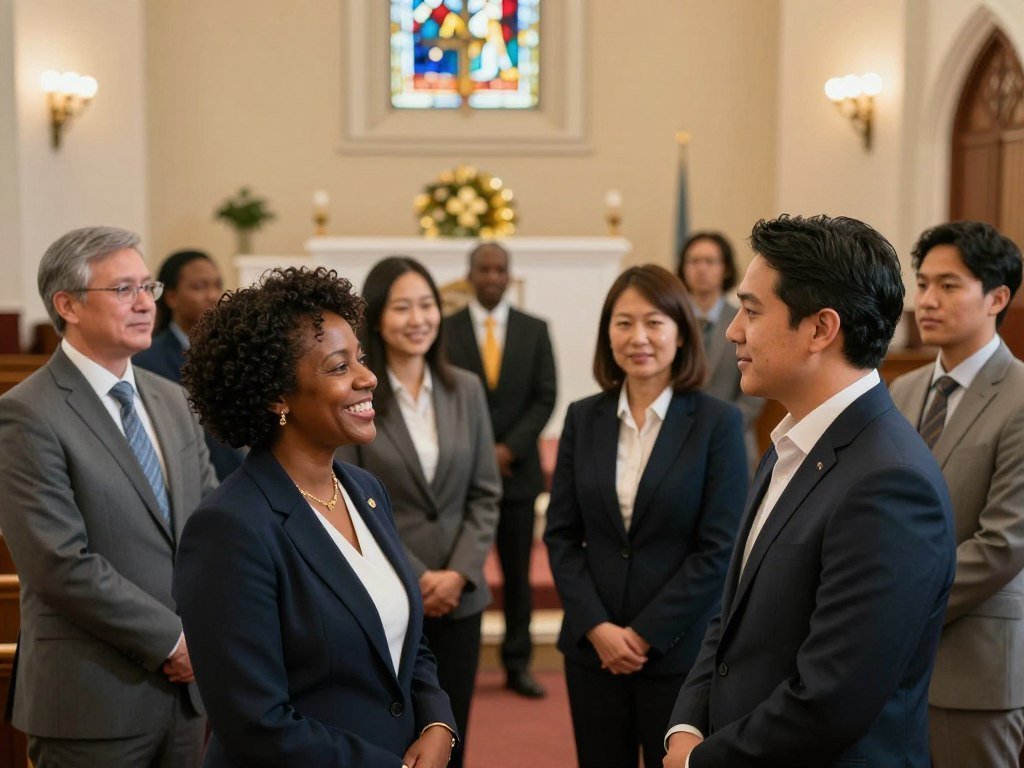
Many ask Are There Black Mormons because of the church’s history with race. You ever heard of Black Mormons? Mormon religion is the Church of Jesus Christ of Latter-day Saints that has a rich historical background. It is a narrative of multiculturalism and development.
Dive into this subject and you will find that the Mormon religion is no longer the same. It now embraces individuals of all classes. Various cultures and communities have impacted on the process of the church.
So, are there Black Mormons? Yes, there are. This depicts how the Mormon religion appreciates diversity. It is not as exclusive as it may seem.
Contents
- 1 The Historical Context of Black People in Mormonism
- 2 Are There Black Mormons? Demographics and Representation
- 3 The 1978 Revelation: A Watershed Moment
- 4 Notable Black Mormon Figures and Their Contributions
- 5 The Black Mormon Experience Today
- 6 Understanding the Black Mormon Community
- 7 FAQ
- 7.1 Are there Black Mormons?
- 7.2 What is the history of the Black people in Mormonism?
- 7.3 What was the meaning of the Revelation of 1978?
- 7.4 Who are some of the famous Black Mormons?
- 7.5 What is the present experience of the Black Mormons?
- 7.6 To what extent is the Mormon Church diversified?
- 7.7 Are black Mormons allowed to be in leadership?
The Historical Context of Black People in Mormonism
The history of Mormonism reveals the participation of black people in it. The Mormon Church has been experiencing a complicated relationship with the black members. This history will help us to appreciate the diversity of the church today.
Mormonism began in the 19 th century with racial matters. Priesthood was essential, and black men simply could not possess it. The reason behind this was because of the ancient church doctrines and race.
The Black Members and the Priesthood
The absence of the priesthood curtailed the role of black men in the church. This policy lasted until 1978. Then another revelation occurred and black men could be priesthood.
The black members were very faithful and strong even with these obstacles. The history of the church is a large part played by their stories.
The history of the priesthood in the church continues to influence the current debates of diversity. In the future, the church should not repeat its history. This will assist in making the church friendly to all, regardless of their race.
Are There Black Mormons? Demographics and Representation
Black Mormons constitute a considerable percentage of the diversity of the Church of Jesus Christ of Latter-day Saints. Their statistics indicate that the church is becoming open to all.
The Church has strived to be more diverse. There are many areas where black Mormons dwell, such as New York, Los Angeles, and Chicago. Big African American communities exist in these cities.
The Church Leadership Representation
The Mormon Church has significance in leadership positions. Although it was a slow start, there are now more Black members who are leading. This is a big step forward.
The Church is always changing. Looking at Black Mormons and their leadership roles helps us see the church’s growth. It shows the Church wants to include everyone more.
The Mormon community is growing and becoming more diverse. By studying Black Mormons, we learn about the Church’s efforts to welcome everyone.
The 1978 Revelation: A Watershed Moment
In 1978, a massive transformation occurred among Blacks in the Mormons. A major change was the 1978 Revelation which was delivered by the then-President Spencer W. Kimball. It transformed the Church regulations regarding offering priesthood to the members who were Black.
This was quite an eye opener. It lifted an ordinance that prevented Black men to receive priesthood. Prior to the year 1978, the Church did not allow the Black members to hold priesthood. This law existed since the time of the Church emerged.
The influence of the Revelation among Black Mormons
The Black Mormons were greatly impacted by the 1978 Revelation. It allowed the black men to participate in Church activities and become leaders. To a large number of them, this was a great leap into inclusion and equal treatment in the religion.
However, there were also difficult sides to the revelation. Black Mormons were even sensing it was too late. They believed that it did not resolve the past racial issues in the Church. It was a fine beginning in the eyes of others.
The Revelation of 1978 is one of the most important elements of Mormon history today. It conveys the advancement and the current problems of race and inclusion in the Church. One aspect that is very important when learning about Black Mormons is knowing about this revelation.
Notable Black Mormon Figures and Their Contributions
Exploring the Mormon faith, you’ll find Black members who have made a big impact. Their history is filled with pioneers who faced many challenges. Yet, they achieved great things.
Jane Manning James was a former slave who joined the Church early. She was one of the first Black women to do so. Her faith and hard work inspire many. Elijah Abel was ordained to the priesthood in 1836. This was a big step for a Black man back then.
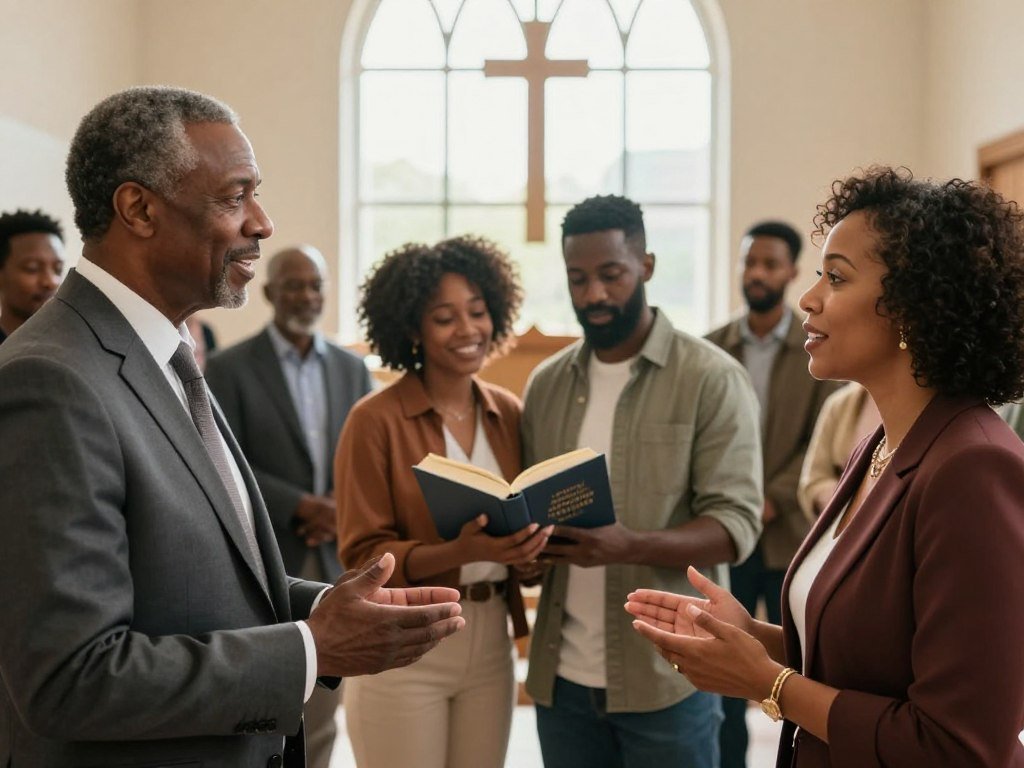
This group of individuals, among others, has benefited the Mormon community. They have been in leadership positions and have assisted in numerous aspects. Their varied opinions and experiences have enabled the faith to be more powerful.
In their tales, they demonstrate how diversity and inclusion are valued in Mormonism. Through the success of Black Mormons, the community enlarges. It also gains a better insight into the faith.
The Black Mormons continue making a difference today. They are good examples and motivators. Their experiences depict how faith can work and how an individual can transform a society.
The Black Mormon Experience Today
The black Mormons have numerous problems within their religious group. They hold beliefs similar to other Mormons but have distinct experiences due to their culture and race. This renders their journey to be special.
They have broken really high barriers such as ancient priesthood and temple regulations. These rules were changed in 1978. However, even now they are still influenced by the past. They are optimistic yet conscious about the problems that are taking place.
Nevertheless, black Mormons are causing a splash despite the obstacles. They are occupying significant positions and serve their community. Their activities are defining the future of their religion.
Opportunities and Future Prospects
Black Mormons are in a promising future. In the church, they would have witnessed more leaders and cultural diversity. The discussion of the history of the church can also make everybody realize and forgive.
The experiences of Black Mormons are going to increase with the growth of the Mormon community. This will introduce fresh possibilities and problems. Through diversity, the church will be a better place to all.
Understanding the Black Mormon Community
Are There Black Mormons can be answered simply: the church welcomes members of all races. You have heard the history of the Black Mormons. It’s complex and interesting. Their pilgrimage reveals the plurality and problematic nature of the faith.
The revelation of 1978 was an enormous transformation. It permitted Black individuals to receive priesthood and become its full members. Today, Black Mormons give huge donations, owing to the pioneers.
The visualization of Black Mormons reveals the diversification attempt of the Mormon religion. Knowing their past makes us observe the diversity and complexity of the faith.
The discussion on Black Mormons reveals that we should not stop talking and learning. It assists in creating an environment where no one feels excluded and unrewarded.
FAQ
Are there Black Mormons?
Yes, there are Black Mormons. Mormon Church (the Church of Jesus Christ of Latter-day Saints) has Black members worldwide.
What is the history of the Black people in Mormonism?
The Mormonism history of the black people is complicated. Original Black members were the initial members of the church. They were, however, limited, such as not being allowed to be priesthood until 1978.
What was the meaning of the Revelation of 1978?
This revelation of 1978 was a landmark to the Mormon Church. It lifted the prohibition of the Black men as priesthood. This gave the Blacks members increased roles and empowerment.
Who are some of the famous Black Mormons?
Darius Gray is some of the prominent Black Mormons. He is a central personality in the Genesis Group that facilitates Black Mormons. Other leaders are also involved who have contributed heavily to the church.
What is the present experience of the Black Mormons?
Today black Mormons still have difficulties. However, they too get the opportunities to lead and have a part in the church. This aids in diversification of the church and its development.
To what extent is the Mormon Church diversified?
Mormon Church is increasingly becoming diverse. It consists of the representatives of numerous ethnic and racial backgrounds. The global church has a large population of the black Mormons.
Are black Mormons allowed to be in leadership?
Black Mormons may even be at the helm of the church. The ancient restrictions were eliminated in the 1978 Revelation. Black members can now have an opportunity to lead and contribute.

Ramona Pearson is a U.S.-based religious researcher and writer with over 10 years of experience studying Mormon history and beliefs. She is also a practicing Mormon and writes to inform readers with accuracy and balance.